Know where you are before you decide what to do.
To drill a hip escape at home, open the study, step its five phases on the live model, read the three faults to watch for, then put it in a timed session. Thirty-six solo studies in six groups and six positions on the atlas, with every plan and note written to this browser and nowhere else.
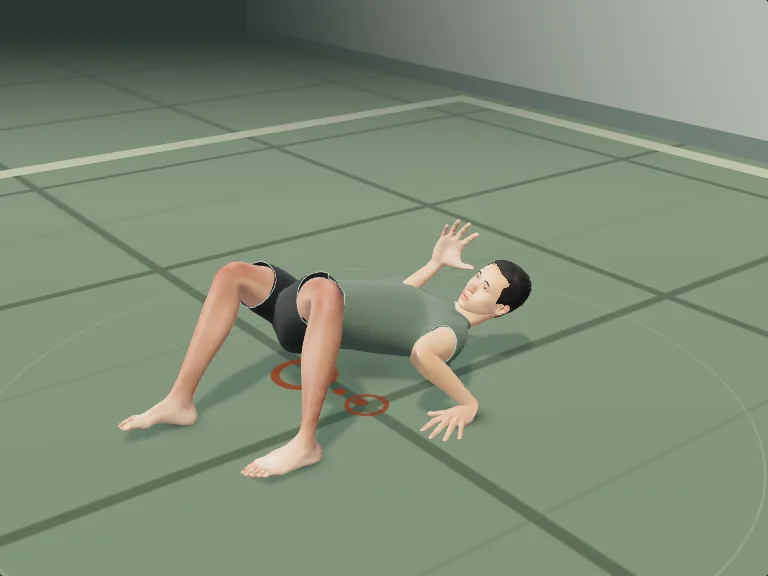
Hip escape, phase three. Drag the model, step the phases, slow it to half speed on the study page.
The atlas
Every position on this map has one question worth carrying into class and one solo movement you can rehearse before you get there. The lines are learning routes, not promised escapes.
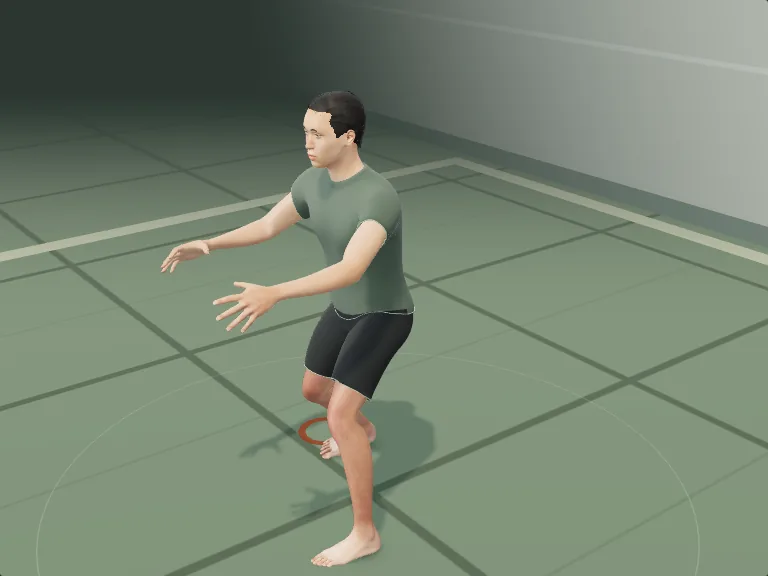
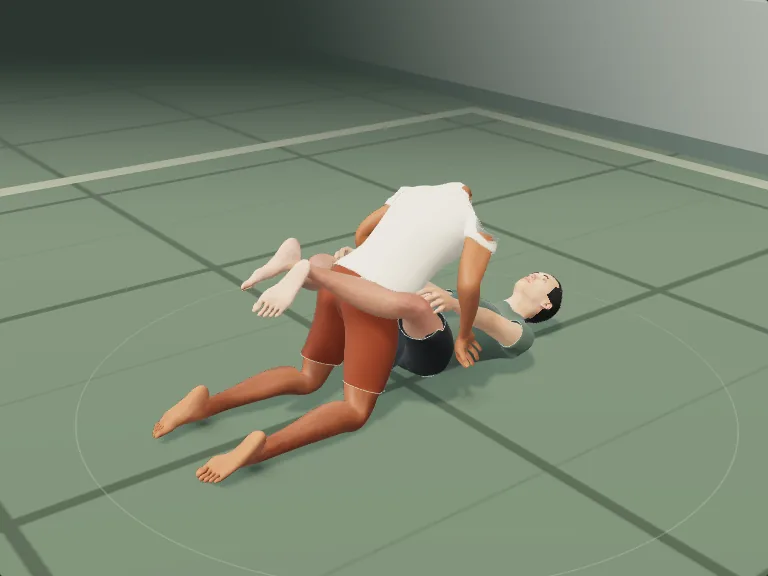
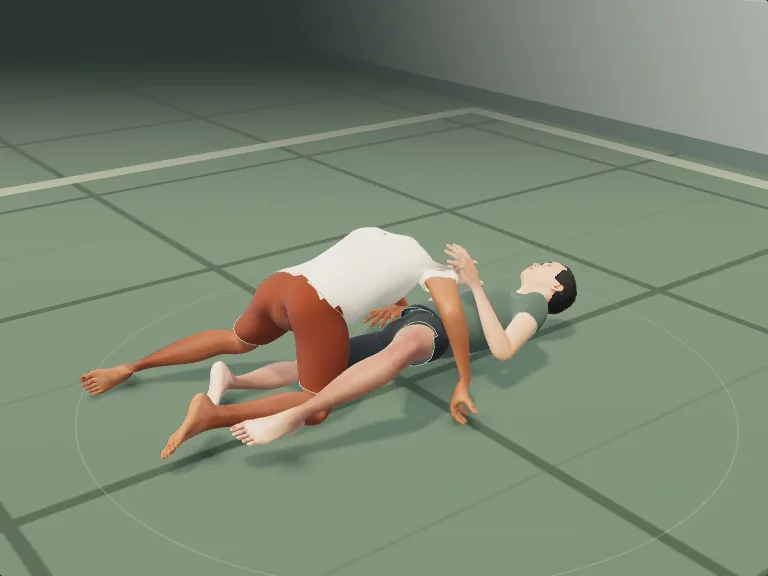
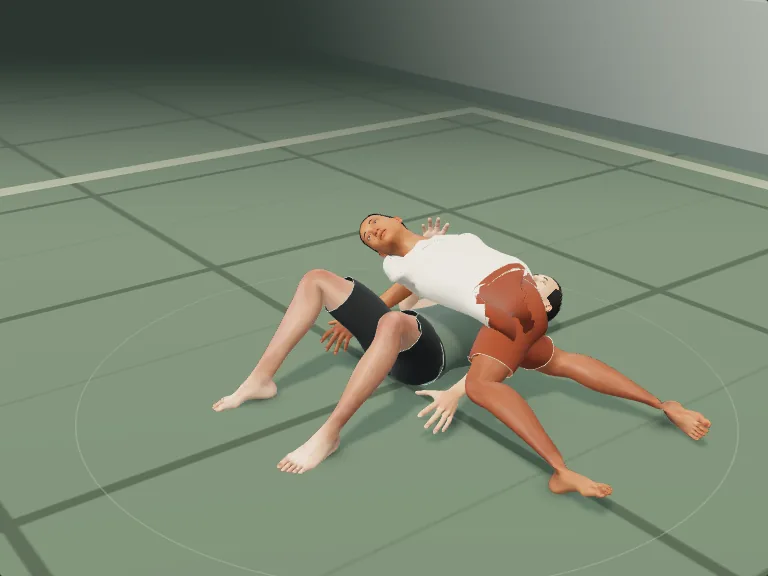
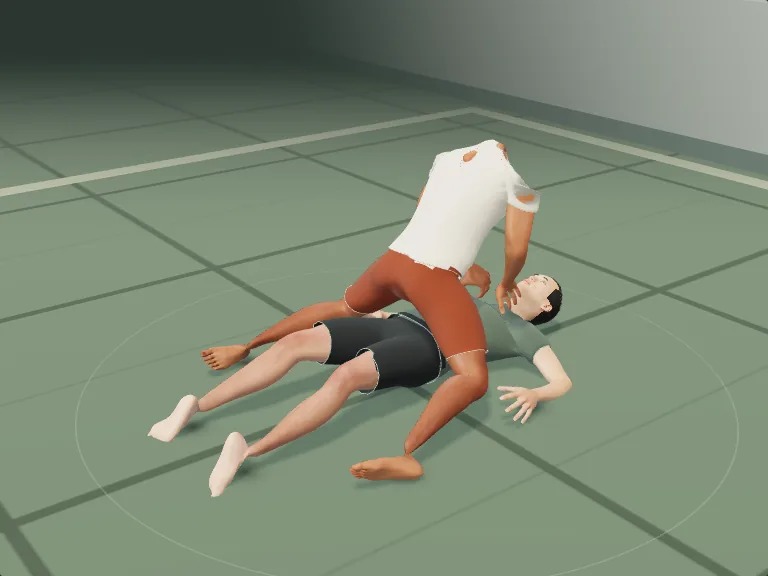
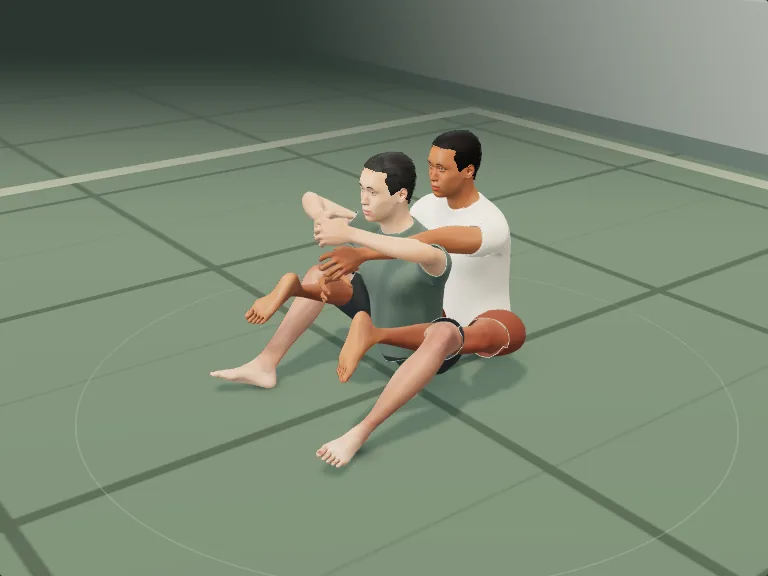
The curriculum
36 studies in six groups, from the shapes you sit and kneel in to the chains a match is made of. 33 need nothing but a padded mat; the rest need a notebook or a training partner and a coach, and they say so.
Foundations
The shapes everything else starts from: how to sit, kneel, stand and fall on a mat without thinking about it.
Mechanics
One movement at a time, with the landmark a coach would call out for each phase.
- 02Hip escape / shrimpHip movementSolo mat
- 03Shoulder-supported bridgeShoulder supportSolo mat
- 05Technical stand-upStable transitionSolo mat
- 15Reverse hip escapeHips along the matSolo mat
- 16Guard retention hip movementTurning the hips aloneSolo mat
- 17Sit-out from hands and kneesTurning over a postSolo mat
- 18Hip heist to the kneesSeated to base in one goSolo mat
- 19Shoulder-stand rockInversion basicsSolo mat
- 20Sprawl from the standing baseHips through the matSolo mat
Chains
Two or three movements in the order they actually happen, so the finish of one is the start of the next.
- 06Hip escape / frame sequenceDirection awarenessSolo mat
- 07Frame / hip escapeSequence awarenessSolo mat
- 08Ground-to-standing sequenceA useful resetSolo mat
- 21Hip escape to reverse escapeTwo directions of escapeSolo mat
- 22Bridge, then to the kneesBack to baseSolo mat
- 23Breakfall to technical stand-upDown and up againSolo mat
- 24Sit-out into a technical stand-upFrom the knees to the feetSolo mat
- 25Hip heist to sprawlRising, then defendingSolo mat
- 26Frame, swivel, escapeGuard shapes in sequenceSolo mat
Defence and recovery
Getting back to a base you can work from: off the back, off the knees, out of an inversion, after a fall.
Conditioning
The same movements in volume, with rounds, repeats and rest written down.
Situational
Shapes grouped by the position they belong to, plus the reflection blocks that turn a class into notes.
Mat journal
Write the position, the problem it answered and the one thing you want clarified. That is the part you forget by Thursday.
Start with a session
Seated base, frames and a reflection before class. About 8 minutes, adjustable block by block.
Or write first
A note without a session still counts. The journal accepts a title, a date and as much or as little as you want to say.
Open the journalBefore you rely on this
Does this teach submissions?
No. The atlas organizes positions and questions for class. The movement library supports familiar solo practice; submission details and resisting partners belong in qualified instruction.
Is the atlas a guaranteed escape sequence?
No. Its links are learning relationships between positions, not guaranteed physical transitions. Use it to remember what you are studying and ask better questions in class.
Can I use it for gi and no-gi?
Yes. Plans and journal entries are yours to name. The included movement and reflection blocks are not tied to a particular grip system or competition rule set.